Integrated research inside a trading platform sounds efficient. It can be. But many traders mistake better information flow for better execution discipline.
This platform comparison gives you a risk-first way to evaluate research-integrated broker tools like DXtrade setups. After reading, you will know how to separate useful decision support from feature overload that increases execution errors.
Start with decision quality impact, not feature count. If integrated research increases impulsive trading or weakens process control, it is a net negative.
Key terms:
Integrated research: market analysis and screening tools embedded directly in the trading interface.Execution quality :Drop-off risk: user disengagement caused by complexity, poor outcomes, or workflow friction.Process drift: deviation from predefined strategy rules.First-pass checklist:
Does research improve your entry/exit checklist quality? Does it reduce or increase overtrading behavior? Is signal context transparent (methodology, lag, confidence limits)? Can you disable noise and keep only relevant filters? Are execution metrics still stable after tool adoption? Yes, if it improves structure and discipline. No, if it becomes a trigger engine for low-quality trades.
Practical reality:
Good integration can shorten analysis-to-execution time and reduce workflow friction. Bad integration can create alert fatigue, confirmation bias, and impulsive entries. A platform feature helps only when it improves your risk-adjusted decision quality, not just activity level.RelicusRoad / Live Demo
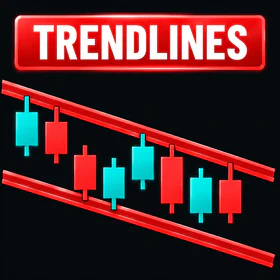
See RelicusRoad Pro Work on a Real Chart Key lines and the trend drawn for you, so you can focus on the trade.
Different styles use research differently. Match tool depth to holding period and execution sensitivity.
Scalping (seconds-minutes)
Research Need Low-latency market context, microstructure cues
Main Risk from In-Platform Research Alert overload and execution delay
What to Measure Decision-to-order time, slippage drift Swing (days)
Research Need Structured fundamental/technical filters
Main Risk from In-Platform Research Narrative anchoring and late entries
What to Measure Setup quality score, stop-distance discipline Position (weeks+)
Research Need Broad regime and risk-factor context
Main Risk from In-Platform Research Overconfidence from polished research outputs
What to Measure Portfolio drawdown, thesis invalidation speed Concrete examples:
Intraday trader takes 60 trades/week . If tool noise adds 0.2 pip slippage average from slower entries, that is 12 pips/week extra friction. Swing trader with 10 trades/month who reduces false entries by 2 trades can materially improve net expectancy even without changing win rate . Integrated tools improve convenience. External stacks can improve objectivity by separating analysis from execution.
Compare these factors:
Bias risk: same interface for analysis and order entry can increase impulsive action. Flexibility: external tools often allow deeper customization. Speed: integrated workflows reduce switching delays. Governance: easier journaling and rule enforcement with clear process design. There is no universal winner. Choose the stack that supports your discipline.
Research features do not reduce broker legal risk. Entity-level protection remains mandatory.
Verify where relevant:
FCA (UK)CySEC (EU)ASIC (Australia)NFA/CFTC context (US)Also verify:
Client fund segregation terms. Negative balance policy (if applicable). Incident reporting and dispute process. Data-source disclaimers and conflict-of-interest disclosures. What are the practical pros and cons of in-house research integration? It can improve workflow quality, but only if matched with strict risk controls.
Pros
Faster analysis-to-execution flow. Better user retention through reduced workflow friction. Easier access to context for less experienced traders. Cons
Risk of overtrading from constant signals. Potential model opacity in proprietary scoring. Research confidence can be mistaken for trade quality. Who This Is Best For Newer swing traders: useful if paired with strict checklists and position sizing rules.Experienced intraday traders: useful only if noise filters and execution discipline are tight.Position traders: useful for regime context, but should be validated with independent risk frameworks.Key takeaways Integrated research can improve workflow, but only if it strengthens discipline. Measure outcomes: slippage, setup quality, and rule adherence. Match research tooling to your trading horizon and process maturity. Do not confuse platform intelligence with broker safety. Validate with live-micro data before scaling usage. CTA: Audit your current platform workflow this week and remove one research-driven execution leak.
Sources: